Transporting dogs safely in Spain
Discover the essential rules for transporting your dog in Spain, for both residents and tourists. Since the introduction of the Spanish Animal Welfare Act (Ley de Bienestar Animal, 7/2023) on September 29, 2023, the rules have been tightened to ensure the safety and well-being of your loyal four-legged friend. I cover transport by car and public transport, so you can set off well-prepared.
Safety first: the new rules for car transport
The new Spanish Animal Welfare Law (Ley de Bienestar Animal, 7/2023) applies to all dogs on Spanish territory, whether you are a resident or a tourist. The most important point is that dogs must not be loose in the vehicle during transport. This is to guarantee the safety of both the dog and the passengers.
Safety measures in the car
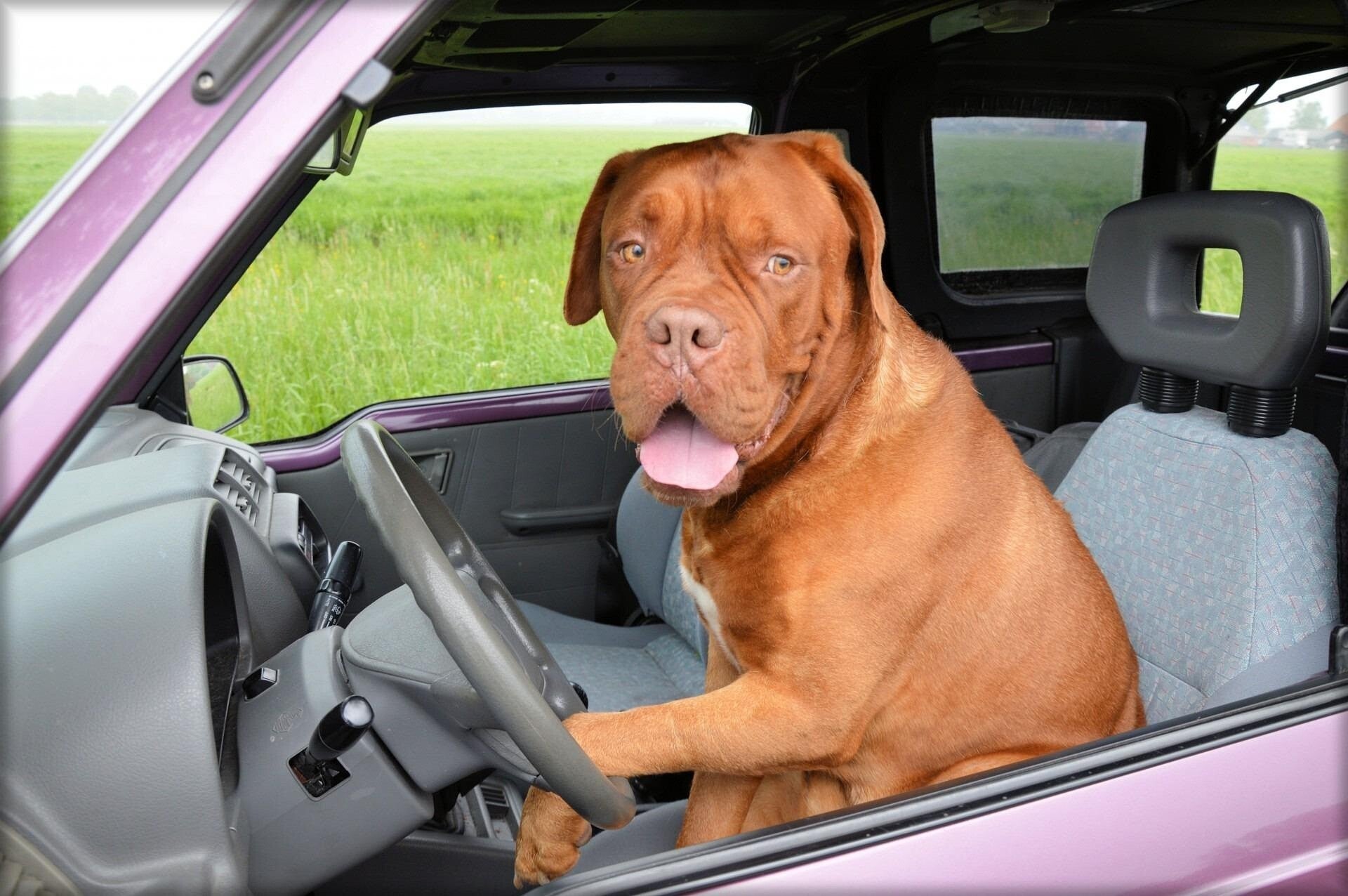
To comply with the law, your dog must be securely fastened so that it cannot obstruct or distract the driver. This can be done in various ways:
- A dog harness attached to the seatbelt.
- A transport crate (preferably on the floor behind the front seats or in the trunk).
- A partition rack or net between the trunk and the passenger compartment.
Public transport
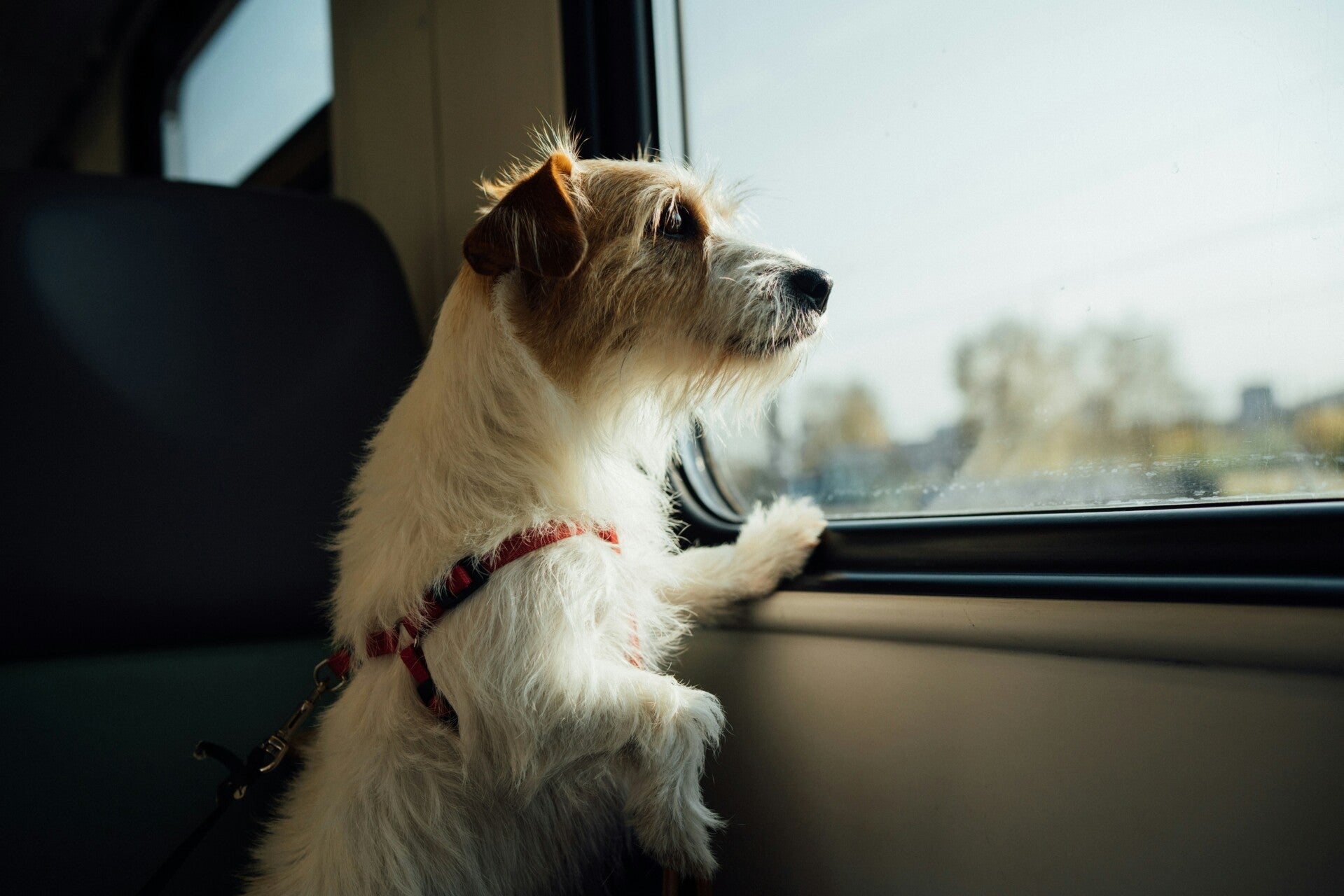
The new law (Article 29) requires public transport operators to facilitate access for companion animals, provided they do not pose a risk to other passengers.
- Accessibility: In principle, trains, buses, and ships must allow dogs, but the operator may set specific conditions regarding size, behavior, or mode of transport (such as in a crate).
- Muzzle and leash: In many cases, a muzzle and a short leash are mandatory on public transport.
- Local differences: Despite national law, specific rules may vary by region or transport company. It is advisable to check the website of the local carrier (such as RENFE for trains) in advance.
Other articles of the law
- Article 29.3 (Public Transport): The law now requires carriers to allow pets, unless there is a valid reason for refusal (such as safety or hygiene). This is a major step forward, as previously carriers were allowed to simply refuse dogs without providing a reason.
- The Role of the DGT: Although the Animal Welfare Act sets the general framework, the Spanish traffic authority (DGT) remains responsible for road safety. They emphasize that the animal must never restrict the driver's freedom of movement or visibility (Art. 18.1 of the General Traffic Regulations).
- Identification Requirement: For all transport (including local transport), the European passport and proper registration in the database of the relevant Autonomous Community are mandatory.
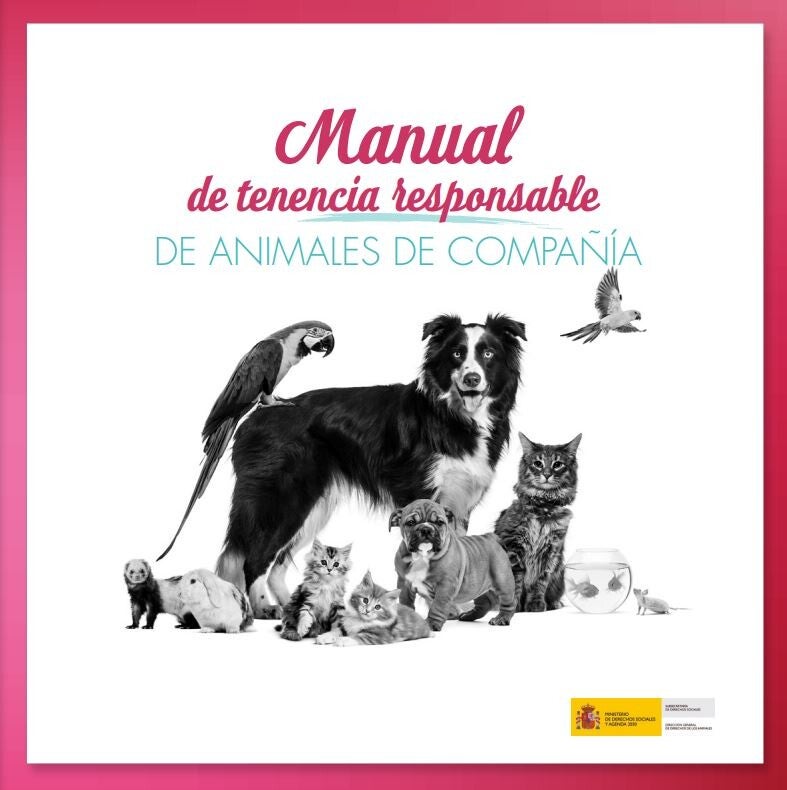
(Image: Ministerio de Derechos Sociales, Consumo y Agenda 2030)
Fines and consequences of violations
Violations of dog transport regulations result in fines ranging from €80 to €200 under traffic law. However, under the new Animal Welfare Act, these fines can reach extreme amounts (up to €200,000) if the animal is seriously injured or dies due to negligence. Therefore, ensure that you always comply with the requirements to avoid high fines and, more importantly, suffering for your dog. For more information on the legislation, visit the website Ministerio de Derechos Sociales of the Spanish government.
This blog contains affiliate links. If you purchase something through these links, you support my website with a small commission, at no extra cost to you. I only promote products that I would use for my own dogs!