PPP legislation in Spain
There is currently a lot of confusion in Spain – particularly in expat groups – regarding the legislation surrounding Potentially Dangerous Dogs, better known as PPP (Perros Potencialmente Peligrosos). I help you navigate the complex legislation, from varieties to the necessary licenses.

What everyone needs to know about PPP legislation
Despite all the rumors surrounding the new Animal Welfare Act (Ley de Bienestar Animal 7/2023), the list of potentially dangerous dogs (PPP) has not been abolished. Here are the key facts at a glance:
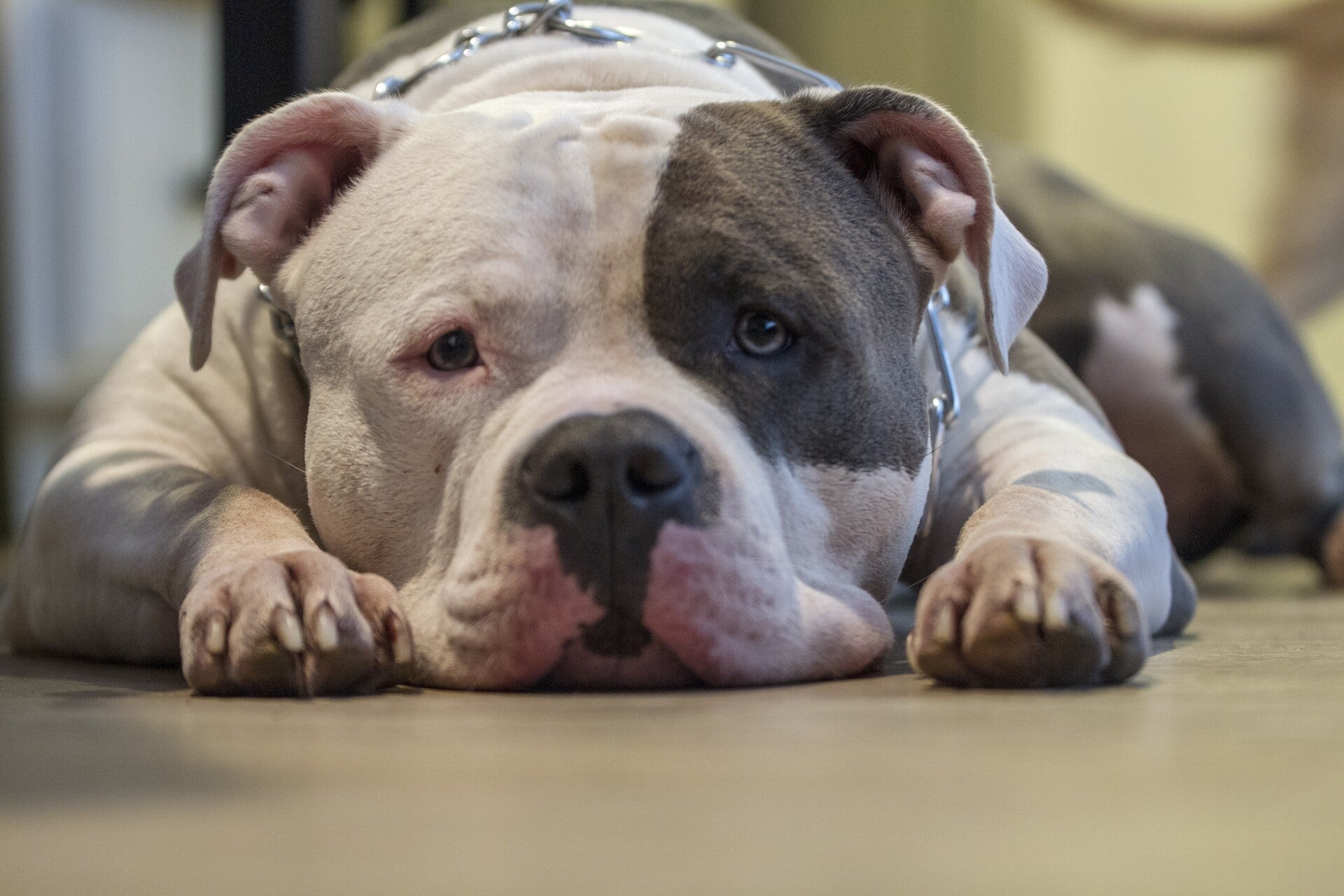
- The 8 national PPP breeds are: Pitbull Terrier, Staffordshire Bull Terrier, American Staffordshire Terrier, Rottweiler, Dogo Argentino, Fila Brasileiro, Tosa Inu, and Akita Inu (including crossbreeds).
- It is essential to know these breeds and the associated rules if you own one of these dogs in Spain or plan to adopt one.
N.B. Local exceptions: Autonomous regions (such as Valencia and Catalonia) and municipalities may add their own breeds, such as the Doberman or Bullmastiff. Always check with your local municipality.

Why PPP legislation is crucial for dog owners
As a dog owner in Spain, it is of great importance to be aware of the strict rules that apply to PPP dogs. These rules include:
- The dog is required to wear a muzzle during walks and in public spaces.
- The dog must always be on a fixed leash of no more than 2 meters (no retractable leashes allowed).
- You may only walk one PPP dog at a time.
- The handler is required to carry the PPP license while walking the dog.
Additionally, there are specific requirements for the PPP license (Licencia PPP):
- You must be of legal age.
- Provide a clean criminal record.
- Pass a medical-psychological test.
- Have valid liability insurance that meets the specific requirements for PPP dogs.
N.B. Since the end of 2023, liability insurance is mandatory for every dog in Spain, but higher coverage amounts often apply to PPP dogs. (See my blog Mandatory third-party liability insurance)
The step-by-step plan for your PPP license
Many expats find the Spanish bureaucracy surrounding the PPP license (Licencia PPP) challenging. Here is a clear step-by-step plan to help you:
1. Age of age: You are 18 years or older.
2. Clean criminal record: Apply for a Certificado de antecedentes penales (in the Netherlands a VOG - in Belgium a Uittreksel Strafregisterorden, bearing an apostille = official stamp or certificate). Only after the apostille has been affixed may the document be translated into Spanish by a sworn translator.
3. Psychotechnical test: Pass the Psychophysical Fitness Report at a recognized medical center.
4. Liability insurance: Show proof of valid liability insurance and the last payment.
5. Registration: Register the dog in the municipal PPP register within 15 days of obtaining the license.
N.B. In addition to the municipal PPP register, the dog's microchip must of course also be registered in the general pet database of the autonomous region (see my blog Microchip Registration).