The risks of shared water bowls
Discover why shared water bowls can be a risk to your dog's health and how you can protect your four-legged friend. Prevent unnecessary suffering and expensive vet visits.
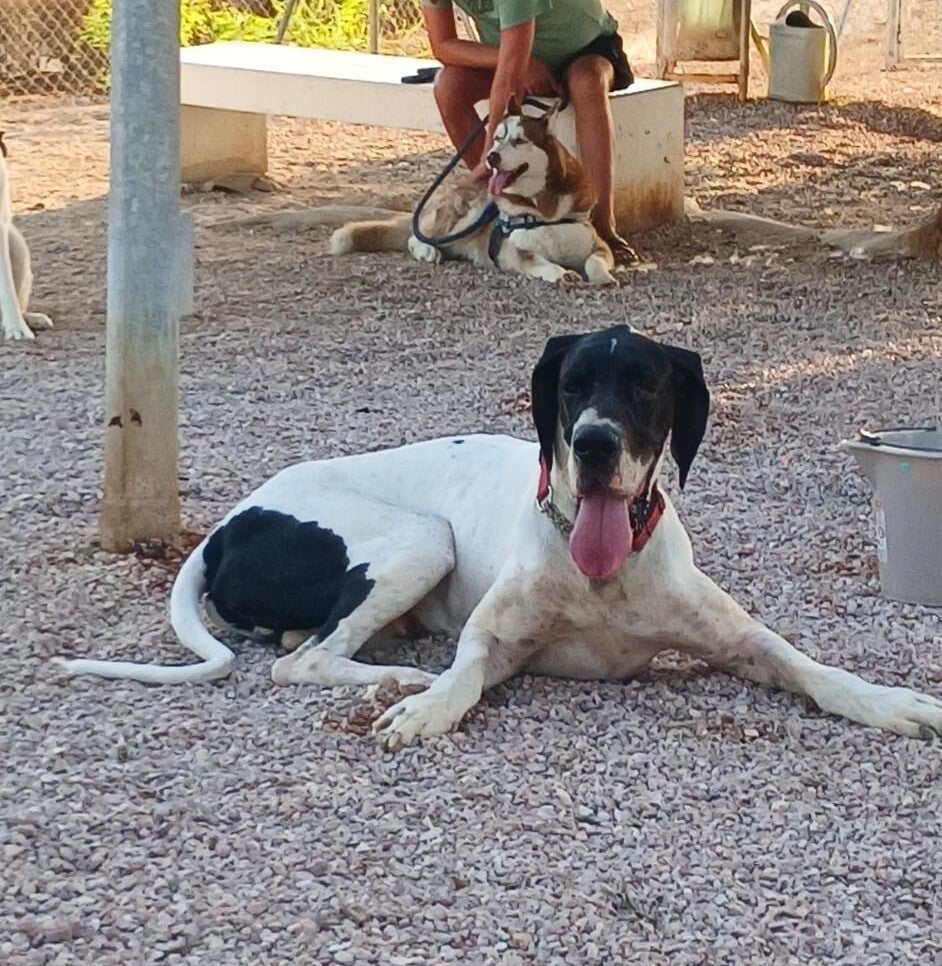
My experience: a sick dog due to shared water bowls
Since moving to another city in Spain, I have been enjoying the dog park in my municipality every day—a wonderful place for dogs to run, play, and socialize. Unfortunately, I have personally experienced the significant risks associated with the shared water bowls located there.
My Great Dane became seriously ill with persistent diarrhea, vomiting, and kennel cough, despite being fully vaccinated. This made me realize how important it is to be aware of the potential dangers.
With this blog, I want to warn all dog owners about the risks of infections caused by sharing water bowls and advise them to bring their own water and bowls.
UPDATE:
A week later, Malakai suddenly started passing blood in his urine. We rushed to the vet: a urine sample (which I managed to collect) was tested, blood was drawn, and ultrasounds were performed. His entire bladder was full of blood and blood clots. We were given medication for 10 days.
The cause: the high calcium content in the tap water; the calcium crystals were blocking the bladder.
Note: At home, I always give Malakai filtered water, and I even brought water along to the dog park, but Malakai much preferred slurping from the buckets.

The most common diseases transmitted via shared water troughs are:
Giardia
A persistent gastrointestinal parasite transmitted via shared water bowls. This parasite causes severe, foul-smelling diarrhea and vomiting in dogs. Giardia cysts are exceptionally resistant and survive for extended periods in water, allowing them to be easily spread from one dog to another. It is crucial to prevent your dog from drinking contaminated water.
Kennel cough
A highly contagious respiratory infection. The virus or bacterium is transmitted extremely rapidly via saliva in shared water.
Canine Papillomavirus
This virus causes warts in and around the mouth and is spread directly via saliva residue on the rim of the water bowl or in the water itself.
Leptospirosis (Weil's disease)
Although this disease is most commonly transmitted through the urine of rodents in standing natural water, infected dogs can also spread the bacteria through their urine when they play rough near water bowls. The disease affects the kidneys and liver and is also dangerous to humans.
Passing blood in the urine
Some dogs are very sensitive to the high calcium content in the drinking water. Calcium crystals can block the bladder, resulting in blood in the urine.